Blog · Sex toys · 18+
It's not a substitute for a partner or something to be ashamed of. It's a tool that gives the body exactly what most sex doesn't. We explain why - and which type is right for whom.

According to a representative American survey, more than half of women have already had a vibrator at home. Even so, people still talk about it in hushed tones - as if it's something bought by lonely women or couples who are "missing something." The truth is simpler and much more practical: a vibrator solves a problem most women have, and it solves it mechanically, not psychologically.
In this article, we'll explain why a vibrator is the most reliable path to orgasm for many women, which myths about it aren't true, and how to choose the right type.
In the article
Why a vibrator works when other things don't
The reason lies in anatomy. The clitoris is the most sensitive area of the female body, and according to a 2018 Indiana University study, most women need direct stimulation of it to reach orgasm at all. Intercourse alone stimulates it only indirectly - which is why only about one in five women experience orgasm from intercourse.
The second reason is endurance. Female arousal needs a continuous, even stimulus - and that is difficult to maintain by hand. The hand gets tired, the rhythm fluctuates, and arousal drops precisely when it should be rising. A vibrator doesn't get tired. It maintains the same rhythm for as long as needed, allowing a woman to focus on what she feels instead of what she is doing.
And the third reason: a 2009 Indiana University study found that women who use vibrators reported better scores in most areas of sexual function - desire, arousal, and orgasm. A vibrator therefore isn't a substitute for sexuality. For many women, it's a way to get to know it.

Myths about vibrators that aren't true
A comprehensive survey found that most women experience no adverse effects when using a vibrator. If a temporary feeling of numbness occurs, it usually passes quickly. It helps to vary the intensity and not start at the maximum.
A vibrator provides physical stimulation, while a partner provides intimacy, touch, and a relationship. These are two different things. Many couples use one together - and women who know their bodies can better tell their partners what works for them.
More than half of women use a vibrator. It's not a cure; it's a tool - like a good cream or comfortable underwear.
No. It only means that your body needs direct clitoral stimulation - just like most women's bodies.
Types of vibrators: which one is right for whom
Clitoral pressure-wave vibrator
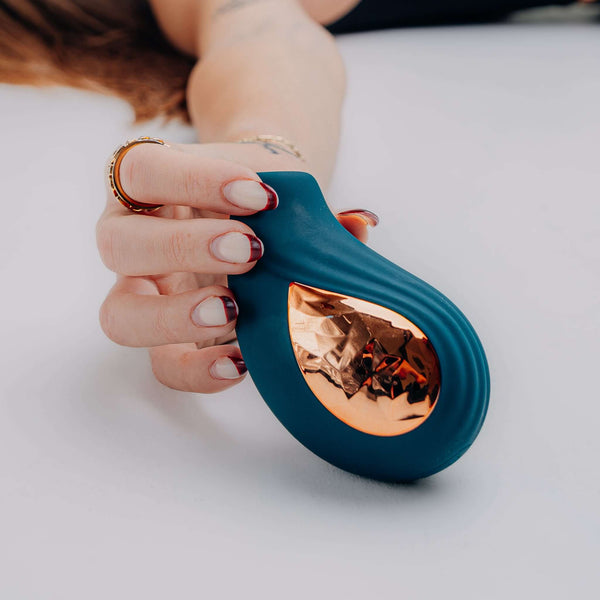
Instead of friction, it creates gentle pressure waves over the clitoris - it suctions and releases. It also stimulates tissue beneath the surface and doesn't dull sensitivity as much as direct contact. For women who haven't experienced an orgasm yet or have difficulty reaching one, this is the most commonly recommended type. Popular air-pulse roses are also included.
Bullet and mini vibrators
Small, quiet, and inexpensive. Ideal for beginners or during sex because they fit between the bodies and don't get in the way.
Wand (massager vibrator)
Large head, strong and deep vibrations. For women who find regular vibrations insufficient, and for use over underwear or a blanket.
Rabbit and G-spot vibrators
They stimulate two areas at once - internally and the clitoris. For women who want combined stimulation and already know what works for them.
Vibrators for couples and remote-controlled vibrators
They are worn during sex or even outside the bedroom, while the partner holds the remote control. For couples who want to incorporate a vibrator into their shared play.

How to choose a vibrator
| Situation | Vibrator type | From |
|---|---|---|
| She hasn't experienced an orgasm yet / has difficulty reaching one | pressure-wave vibrator | 32,99 € |
| Her first vibrator, she doesn't want to invest much | bullet vibrator | 17,99 € |
| Regular vibrations aren't enough for her | wand | 39,99 € |
| She wants stimulation inside and outside | rabbit | 29,99 € |
| We want to use it together | remote-controlled magnetic vibrator | 15,99 € |
When choosing, also consider three practical things: material (body-safe silicone is the safest), water resistance (your body relaxes more easily in the bath or shower), and USB charging, so you don't have to deal with batteries.

Vibrator for couples: how to introduce it to your partner
Many women worry that their partner will take a vibrator as criticism. Usually, the opposite is true – men often feel relieved when they discover that there is a reliable way to bring their partner to orgasm. It helps to present it as something you want to try with him, not instead of him.
The easiest way to start: use a small vibrator during foreplay or intercourse in a position where one of you has your hands free. Find inspiration in the article Sex positions to experiment with.
How to get started with a vibrator and how to care for it
Start at the lowest intensity. Your body needs time to adjust, especially with a suction vibrator. Many women need two or three attempts before they find the right placement.
Don't rush. A vibrator isn't a shortcut to a three-minute experience. It works best when you take your time and let your body become aroused gradually.
Use water-based lubricant. Silicone lubricants can damage silicone toys.
Clean it before and after use with warm water and mild soap or intimate toy disinfectant, and let it dry. Store it separately from your other toys.
Vibrators you can start with

EMERALD GOLD suction vibrator – €38.99
5 suction levels, 10 vibration modes, waterproof. Best for your first orgasm.
View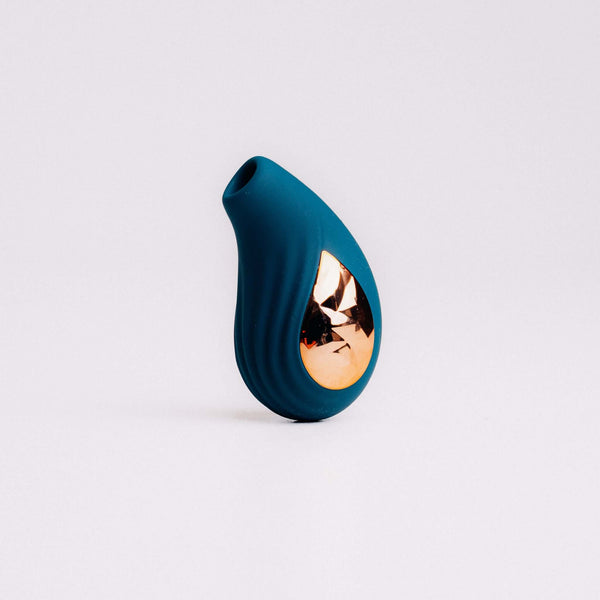
We ship everything in discreet, unmarked packaging and dispatch it within 24 hours.
- Herbenick D. et al. (2009). Prevalence and characteristics of vibrator use by women in the United States: results from a nationally representative study. Journal of Sexual Medicine.
- Herbenick D. et al. (2018). Women's Experiences With Genital Touching, Sexual Pleasure, and Orgasm. Journal of Sex & Marital Therapy.